
Creating Functional Sensory Spaces in Schools for Enhanced Student Inclusion and Support

The school bell has rung, signaling a fresh start and a chance to rethink how we support all students. Over the past months, I have enjoyed working with schools to prepare for the new academic year. One key focus has been creating sensory spaces that truly serve students with disabilities and sensory needs. These spaces are more than just quiet rooms with dim lights and bean bags. They are functional areas designed to help students regulate, relax, and engage in ways that support their learning and well-being.
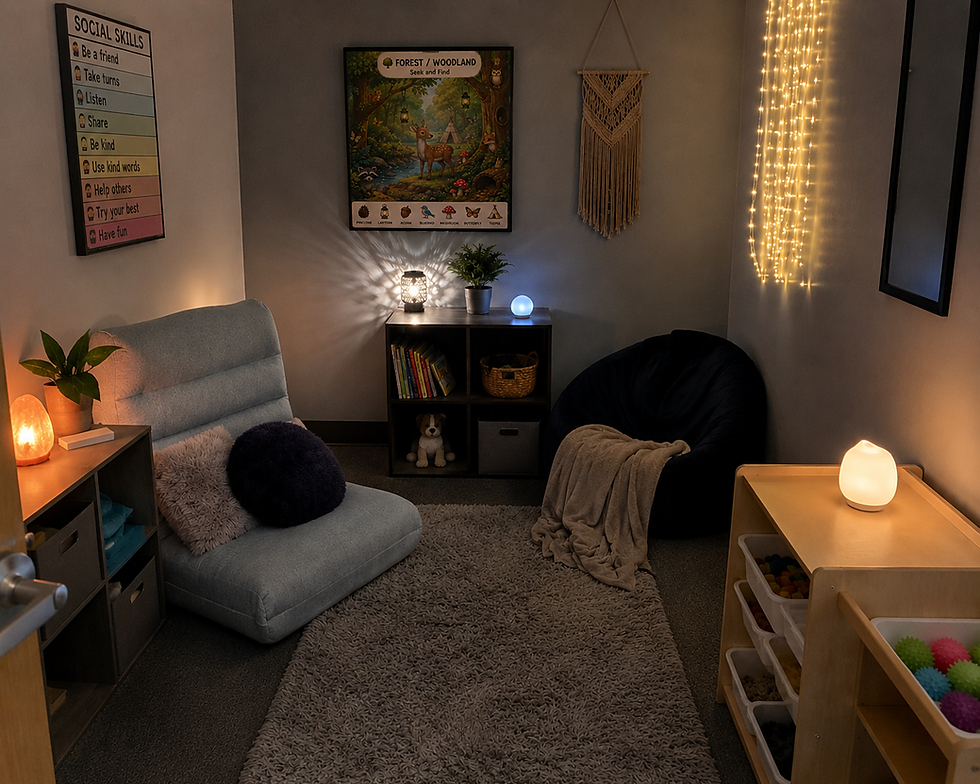
Many schools have small closets or unused offices that can be transformed into sensory spaces. It’s never too late to make these changes. Adding simple, thoughtful elements can make a big difference. For example, this semester I introduced seek-and-find puzzles in two sensory rooms. These puzzles, like "I Spy" or "Highlights Hidden Pictures," offer a gentle challenge. While some puzzles can feel frustrating due to visual clutter, easy versions provide a calming activity that encourages focus without stress. This can be a helpful tool for students who need a break or a way to de-escalate.
Sensory spaces should promote inclusion by supporting the sensory needs of all students, not just those with Autism or other disabilities. When designed well, these spaces become a resource for the entire school community.

Sensory rooms can be inviting and functional spaces that support student well-being.
Why Sensory Spaces Matter in Schools
Sensory spaces help students manage sensory overload and emotional stress. Many students, especially those with Autism, experience the world differently. Loud noises, bright lights, or crowded hallways can be overwhelming. A sensory space offers a quiet, controlled environment where students can calm down and regain focus.
These spaces also support inclusion by providing a place where all students feel safe and understood. When schools invest in sensory spaces, they send a message that every student’s needs matter.
Creating a sensory space is not about isolating students but about giving them tools to succeed alongside their peers. It helps reduce behavioral challenges and improves overall classroom engagement.
How to Create a Functional Sensory Space
A sensory space should be more than a room with low lights and bean bags. It needs to be functional and tailored to the students’ needs. Here are some practical tips:
Choose the right location
Use a small closet, unused office, or quiet corner. The space should be easy to access but away from noisy areas.
Include a variety of sensory tools
Items like weighted blankets, fidget toys, soft lighting, and calming visuals can help students regulate their senses.
Add simple activities
Seek-and-find puzzles are a great example. They offer a low-pressure way to engage the mind and focus attention.
Keep it organized and clutter-free
Too much visual or tactile input can overwhelm. Keep the space tidy and rotate items based on student needs.
Make it welcoming
Use soft colors, comfortable seating, and natural elements if possible. The space should feel safe and inviting.
Supporting Schools with Sensory Inclusion
Designing and maintaining sensory spaces can be challenging for school leaders who juggle many responsibilities. That’s where professional support can help. I offer Consulting, Training & Strategic Partnership services tailored to schools. These services include:
Professional development for staff on sensory inclusion
Organizational consulting to integrate sensory spaces into school culture
Project leadership to guide sensory space creation
Program development to support ongoing sensory needs
Research collaboration and grant consulting to secure funding
Facilitation and strategic planning to align sensory inclusion with school goals
Working together, we can create sensory spaces that truly meet the needs of your students and staff. This partnership approach ensures the sensory space is not just a room but a vital part of your school’s inclusion strategy.
Simple sensory activities can help students focus and calm down in a sensory space.
Practical Examples from Schools
In two schools where I recently worked, adding seek-and-find puzzles made a noticeable difference. Some students preferred to sit quietly, while others found the puzzles helped them relax and focus. These puzzles are easy to use and do not require constant supervision, making them a practical addition.
One school transformed a small closet into a sensory nook with soft lighting, bean bags, and a shelf of sensory tools. Staff reported fewer disruptions and more positive behaviors after students used the space.
Another school integrated sensory spaces into their inclusion plan with staff training and ongoing support. This helped teachers understand how to use the space effectively and encouraged more students to benefit from it.
Moving Forward with Sensory Inclusion
Creating functional sensory spaces is a step toward stronger inclusion in schools. These spaces support students with Autism and other sensory needs, helping them feel safe and ready to learn. They also benefit the whole school community by promoting understanding and respect for diverse needs.
If you want to explore how to build or improve sensory spaces in your school, consider reaching out for professional guidance. Customized consulting and training can help you develop a plan that fits your unique environment and goals.
Sensory spaces are not just a trend. They are a practical, meaningful way to support students and build inclusive schools where everyone can thrive.
If you are interested in learning more about how to create or enhance sensory spaces, feel free to schedule a discovery call to discuss your school’s needs and receive a tailored proposal. Visit Consulting, Training & Strategic Partnership for more information.


Comments