
Revolutionizing Inclusive Education with High-Leverage Practices GPT from CEEDAR Center

Updated: Jan 3
Inclusive education requires educators to meet the unique needs of students with disabilities while maintaining high standards for all learners. This challenge calls for practical, research-based strategies that can be applied effectively in diverse classrooms. The High-Leverage Practices GPT (HLP GPT) from the CEEDAR Center offers a fresh approach to supporting educators with exactly that. This AI-powered tool provides tailored guidance on implementing proven instructional and behavioral practices designed to improve outcomes for students with disabilities.
Educators can now access a virtual assistant that acts as a coach, collaborator, and planning partner, helping them apply the 22 High-Leverage Practices in real time. This post explores what HLP GPT is, how it works, and why it matters for inclusive education.
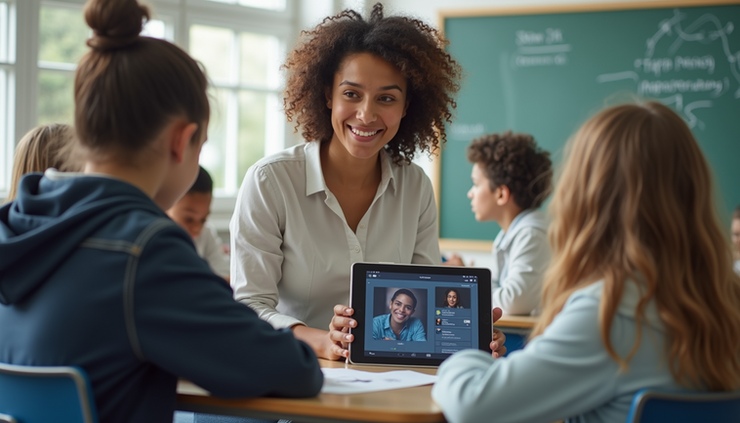
What the High-Leverage Practices GPT Does
The HLP GPT is an AI assistant built on OpenAI’s ChatGPT platform and trained specifically on materials from HighLeveragePractices.org, the IRIS Center, and other authoritative guides. It focuses on the 22 High-Leverage Practices that research shows have the greatest impact on student learning and engagement, especially for students with disabilities.
These practices fall into four key areas:
Collaboration
Practices like working effectively with families and leading productive Individualized Education Program (IEP) meetings.
Data-Driven Planning
Using multiple sources of information to understand student needs and plan instruction accordingly.
Instruction in Behavior and Academics
Applying explicit instruction techniques and teaching social behaviors to support learning.
Intensive Instruction
Providing targeted, individualized support to students who need it most.
HLP GPT offers just-in-time advice, examples, and strategies tailored to the educator’s context. For example, a teacher preparing for an IEP meeting can ask the tool how to facilitate collaboration with families or how to set measurable goals aligned with student needs.
How HLP GPT Supports Educators Daily
Teachers and school staff face many demands, from lesson planning to managing classroom behavior. HLP GPT helps by:
Providing quick access to research-based strategies without needing to sift through lengthy manuals or websites.
Offering personalized suggestions based on the specific practice and student context.
Supporting professional development by explaining the rationale behind each practice and how to implement it effectively.
Encouraging reflective practice through prompts that help educators consider what worked and what could improve.
For example, a special education teacher struggling with teaching social skills can ask HLP GPT for step-by-step guidance on using modeling and role-playing techniques. The tool might suggest breaking down social behaviors into smaller steps and provide sample scripts.
Practical Examples of High-Leverage Practices in Action
To understand the value of HLP GPT, consider these scenarios:
Collaborating with Families
A teacher wants to engage a family that has been hard to reach. HLP GPT suggests strategies such as scheduling flexible meeting times, using clear and jargon-free language, and sharing student progress through multiple communication methods.
Using Data to Plan Instruction
An educator collects data from observations, assessments, and student work samples. HLP GPT helps interpret this data to identify learning gaps and prioritize instructional goals.
Explicit Instruction for Reading
When teaching a student with a reading disability, the teacher asks HLP GPT how to structure lessons. The tool recommends clear learning objectives, modeling the skill, guided practice, and frequent feedback.
Teaching Social Behaviors
A classroom aide wants to support a student in developing turn-taking skills. HLP GPT provides a stepwise plan including visual supports, reinforcement strategies, and ways to generalize the skill across settings.
These examples show how the tool translates research into actionable steps, making it easier for educators to apply high-impact practices consistently.
Benefits Beyond the Classroom
HLP GPT also supports school leaders and professional development teams by:
Aligning training with evidence-based practices
Leaders can use the tool to design workshops and coaching sessions focused on the 22 practices.
Facilitating collaboration among staff
Teams can use HLP GPT to discuss strategies and share insights, building a common language around inclusive teaching.
Tracking implementation progress
The tool can help educators reflect on their use of practices and identify areas for growth.
By fostering a culture of continuous learning and collaboration, HLP GPT contributes to stronger inclusive education systems.
Getting Started with High-Leverage Practices GPT
Educators interested in using HLP GPT can access it through platforms supported by the CEEDAR Center and related organizations. To make the most of the tool:
Identify specific challenges or goals where you want support.
Ask clear, focused questions to get practical advice.
Use the tool alongside other professional resources such as workshops, coaching, and peer collaboration.
Reflect on the guidance provided and adapt it to your unique classroom context.
Over time, integrating HLP GPT into daily routines can build confidence and skill in applying high-leverage practices.
Meet the High-Leverage Practices GPT (HLP GPT) – your AI partner for embedding High-Leverage Practices in everyday teaching! From collaboration to instruction, it gives practical tips to support ALL learners.


Comments